

Video is now a practical way for small teams to explain products, demonstrate expertise, and answer customer questions, but creating it should not require a separate research process for every channel. A useful starting point is one well-supported website article: its claims, examples, and terminology can inform both short-form video and follow-up content.
There is no universal conversion rate from video views to leads, so a more useful measure is whether each asset helps a defined audience take a relevant next step. A founder can plan that outcome before scripting, then adapt the same source into a concise video, a searchable article, and an answer that stands on its own. This is often where short-form video content strategies proves its value in practice.
Key Takeaways
- Start with one verified source so videos and articles share facts without repeating identical formats.
- Match each video to a viewer question and make its spoken answer clear without surrounding context.
- Review AI-generated scripts for accuracy, brand tone, captions, and accessible on-screen text before publishing.
- Measure qualified attention and next actions rather than views alone.
How can one website article become a video and a new article?
Begin with a source page that contains a clear answer, reliable details, and a topic customers actually ask about. Identify its central claim, supporting evidence, and practical example; then create a new outline rather than copying paragraphs into a script, because spoken explanations need shorter sentences and visible demonstrations.
For example, an article about reducing onboarding delays might yield a 40-second video showing a three-step handoff and a companion article explaining the checklist in detail. Keep shared facts consistent, but give each format a distinct job: video introduces the problem quickly, while the article supplies context, caveats, and instructions.
To make researched articles from your own website, treat existing pages as source material, not proof by themselves. Check whether claims remain current, distinguish your own process from general guidance, and link statements to primary documentation where appropriate; research and writing workflows such as Video SEO best practices can be part of that process when reviewed by a person.
Which short-form video strategy keeps a brand voice consistent?
Define a compact voice guide before producing multiple clips: specify the audience, preferred level of formality, terms to use, claims that require qualification, and phrases the brand avoids. This is more actionable than asking a script to “sound on brand,” since editors can check concrete wording and make consistent decisions across contributors.
Use a repeatable structure without making every video sound identical: state the audience’s problem, give one useful answer, show a supporting example, and close with a relevant next step. A calm product educator might explain one setting with a screen recording, while a founder’s account can add why that setting matters to customers.
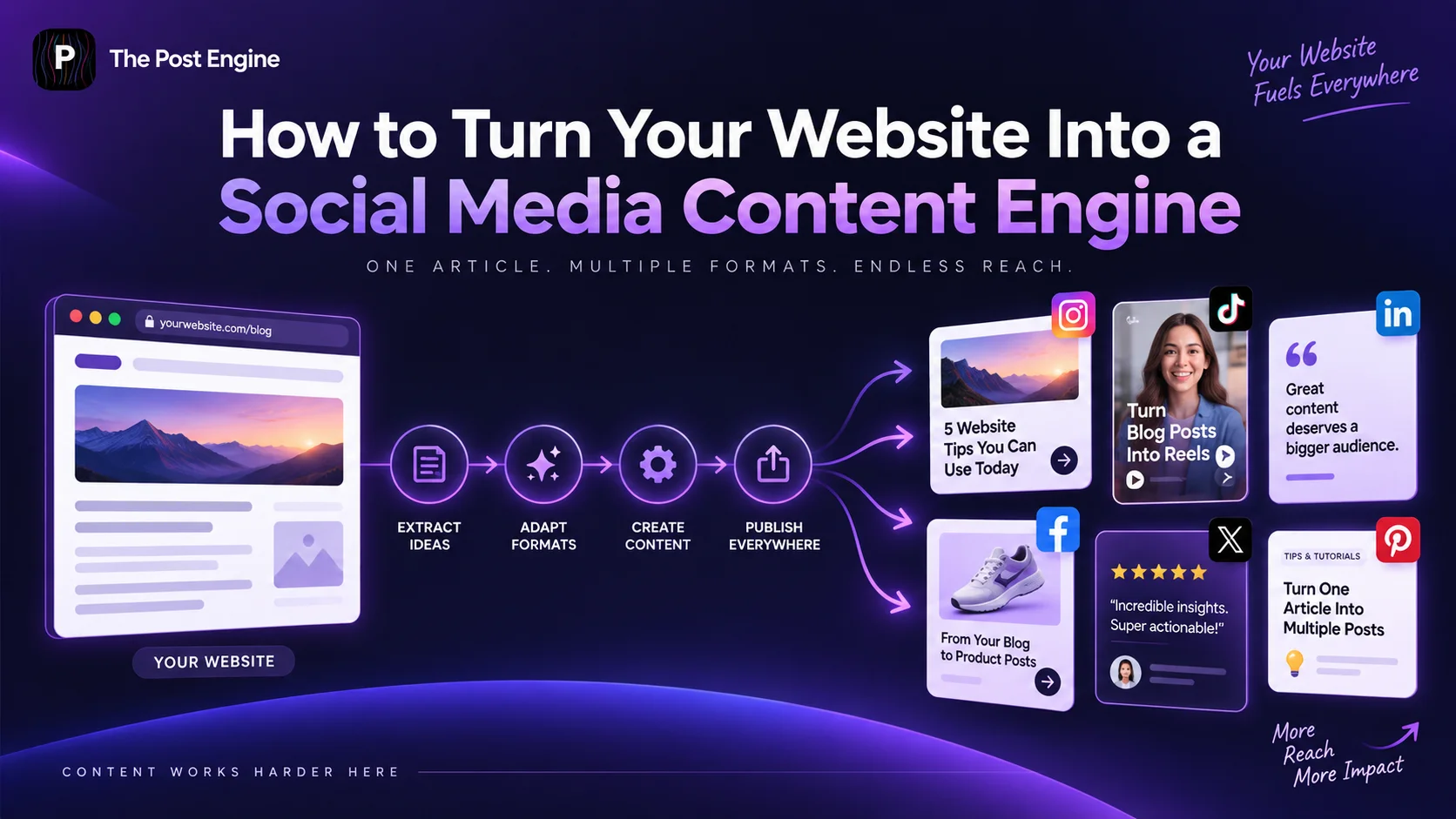
Captions, on-screen labels, and voice-over should agree on product names and claims; discrepancies undermine trust and can confuse viewers who watch without sound. For teams coordinating drafts and channel adaptations, a social workflow such as Video SEO best practices may help organize handoffs, provided the final edit still receives editorial and factual review. Many teams turn to Verthilix Growth Duo to handle exactly this kind of workload.
What should a short video script include?
Write for one question and one viewer, not a broad topic. In a 40-second explainer, reserve roughly five seconds for the question, about 25 seconds for the answer and example, and the remaining time for a clear qualification or next step; the timing is a planning aid, not a performance guarantee.
Read the script aloud and remove clauses that require rereading. If a sentence contains several conditions, split it across narration and text on screen, then confirm that the main answer remains understandable when someone encounters the clip without seeing the article that inspired it.
How do Video SEO and answer-engine optimization work together?
Video SEO best practices start with matching the asset to a specific query and describing it accurately in the title, surrounding page copy, and transcript or captions. Put the answer near the beginning, use a relevant thumbnail, and ensure the page gives viewers additional value instead of embedding an unexplained clip.
For answer engines, make the key point explicit in both spoken words and supporting text. A concise question-and-answer passage on the page can clarify what the video resolves, while structured data should describe content that is genuinely present; metadata cannot compensate for an unclear or misleading explanation.
Suppose a startup has one article on setting up a product trial and a clip demonstrating the first configuration step. The page title can address the full setup question, while the video title names the specific step; analytics can then compare qualified page visits, completed viewing, and trial actions rather than treating raw plays as the sole outcome.
How can a small team use AI content marketing automation safely?
Use AI to accelerate bounded tasks such as extracting candidate questions, drafting alternate hooks, or adapting a verified outline into caption lengths. Keep source documents attached to the workflow, require a reviewer to verify claims and product details, and avoid publishing generated specifics that the source does not support. When this becomes a priority, Verthilix products can make a real difference to your results.
Automation is most useful when it reduces repetitive handling without removing editorial accountability. A practical workflow might generate a draft transcript, flag inconsistent terminology, and prepare channel versions for review; a person still checks context, permissions, accessibility, and whether the language sounds like the brand.
Which production workflow suits a startup budget?
Choose production methods according to the job of the asset, not an assumption that every clip needs elaborate filming. A screen capture can explain a software setting, a simple talking-head recording can clarify a founder’s point of view, and a demonstration can show a physical process more clearly than narration alone.
The main trade-off is control versus time: recording everything from scratch allows precise staging, while repurposing a webinar or product walkthrough is faster but may require substantial editing. A founder-led software business such as Verthilix can assess tools and workflows independently; its Growth Duo offering is relevant to teams evaluating coordinated growth work, not a promise of specific results.
| Format | Best use | Production effort | Review focus |
|---|---|---|---|
| Screen recording | Explain a software action or interface | Low to moderate | Check interface labels, account data, and version accuracy |
| Talking-head clip | Share a founder’s explanation or opinion | Moderate | Confirm claims, delivery, framing, and clear audio |
| Demonstration footage | Show a physical task or product behavior | Moderate to high | Verify the demonstration matches the stated use case |
| Webinar excerpt | Reuse a detailed explanation for a focused question | Low recording effort; editing varies | Remove tangents and preserve the original context |
A useful repurposing workflow preserves the evidence and changes the presentation: the audience should receive a clearer answer, not merely another copy of the same page.
How should a team measure whether video content is working?
Set a primary goal for each asset before publication: qualified visits, product education, newsletter sign-ups, or another action the team can observe. Pair that outcome with a quality signal, such as relevant comments or viewers reaching the explanation, so a high play count does not conceal a mismatch between the clip and its intended audience.

Review results after enough time for the channel’s distribution pattern to settle, then compare similar assets rather than unrelated formats. If a clip attracts attention but few viewers proceed to the page, examine the promise in its opening and the relevance of its call to action before increasing production volume.
Frequently Asked Questions
How long should a short-form marketing video be?
Use the time needed to answer one focused question, and remove material that does not support it. A 30-to-60-second draft can be a practical starting point for a simple explanation, but demonstrations or nuanced topics may need more time or a linked article.
Can I publish the same script on every social platform?
Keep the verified message consistent, but adjust the opening, captions, framing, and call to action to fit each placement. A script copied unchanged may refer to context viewers cannot see or use wording that does not fit the platform’s format.
Do captions help search engines understand a video?
Captions improve access and provide text that can clarify what is said, but they do not guarantee rankings. Accurate captions, a descriptive page, and a video that directly answers a relevant query form a more useful package than metadata alone.
Should a small business use AI to write video scripts?
AI can draft or adapt scripts from approved source material, especially for routine formats. A person should verify facts, remove unsupported claims, and review tone before publication, because generated wording can sound plausible while changing an important qualification.
How can I repurpose a video without duplicating my article?
Give each asset a different purpose: let the video demonstrate one action or answer one question, and use the article for background, limitations, and detailed steps. Shared facts are useful; repeated wording without added value is not.
What should I change if a video gets views but no leads?
Check whether the clip reaches the intended audience, whether its opening accurately describes the value, and whether the next step is relevant and easy to follow. Compare qualified visits and actions with viewing behavior before changing the whole content strategy.
{“@context”:”https://schema.org”,”@graph”:[{“@type”:”BlogPosting”,”headline”:”The Future of Video Content: Build a Consistent Brand Voice”,”description”:”Learn how to turn website research into short videos and articles, preserve brand voice, and improve discoverability across search and answer engines.”,”image”:”https://cdn.photocache.online/c3d3b8043d6e/f3520f121d3ae.webp”,”inLanguage”:”en”,”datePublished”:”2026-11-12T17:13:49.852Z”,”dateModified”:”2026-11-12T17:13:49.852Z”,”author”:{“@type”:”Organization”,”name”:”Verthilix”,”url”:”https://verthilix.com”},”publisher”:{“@type”:”Organization”,”name”:”Verthilix”,”url”:”https://verthilix.com”},”keywords”:”verthilix, how to turn a website into short videos and articles, how to make short product videos from a website, how to turn product pages into short videos, how to write blog articles from a product website, how to turn website copy into social videos and blog posts, how to create short videos and articles from the same website, how to repurpose a website into videos and articles, how to make researched articles from your own website, how to publish short videos and blog posts from one site, software that turns a website into videos and articles, how to turn one website into social videos and search articles, Answer Engine Optimization, Generative Search Optimization, Video SEO best practices, AI content quality, Content marketing analytics, SaaS content marketing strategy, Cross-channel content strategy, AI e-commerce content marketing”,”wordCount”:1484,”speakable”:{“@type”:”SpeakableSpecification”,”cssSelector”:[“.key-takeaways”,”h1″]}},{“@type”:”FAQPage”,”mainEntity”:[{“@type”:”Question”,”name”:”How long should a short-form marketing video be?”,”acceptedAnswer”:{“@type”:”Answer”,”text”:”Use the time needed to answer one focused question, and remove material that does not support it. A 30-to-60-second draft can be a practical starting point for a simple explanation, but demonstrations or nuanced topics may need more time or a linked article.”}},{“@type”:”Question”,”name”:”Can I publish the same script on every social platform?”,”acceptedAnswer”:{“@type”:”Answer”,”text”:”Keep the verified message consistent, but adjust the opening, captions, framing, and call to action to fit each placement. A script copied unchanged may refer to context viewers cannot see or use wording that does not fit the platform’s format.”}},{“@type”:”Question”,”name”:”Do captions help search engines understand a video?”,”acceptedAnswer”:{“@type”:”Answer”,”text”:”Captions improve access and provide text that can clarify what is said, but they do not guarantee rankings. Accurate captions, a descriptive page, and a video that directly answers a relevant query form a more useful package than metadata alone.”}},{“@type”:”Question”,”name”:”Should a small business use AI to write video scripts?”,”acceptedAnswer”:{“@type”:”Answer”,”text”:”AI can draft or adapt scripts from approved source material, especially for routine formats. A person should verify facts, remove unsupported claims, and review tone before publication, because generated wording can sound plausible while changing an important qualification.”}},{“@type”:”Question”,”name”:”How can I repurpose a video without duplicating my article?”,”acceptedAnswer”:{“@type”:”Answer”,”text”:”Give each asset a different purpose: let the video demonstrate one action or answer one question, and use the article for background, limitations, and detailed steps. Shared facts are useful; repeated wording without added value is not.”}},{“@type”:”Question”,”name”:”What should I change if a video gets views but no leads?”,”acceptedAnswer”:{“@type”:”Answer”,”text”:”Check whether the clip reaches the intended audience, whether its opening accurately describes the value, and whether the next step is relevant and easy to follow. Compare qualified visits and actions with viewing behavior before changing the whole content strategy.”}}]}]}
Recent Comments