

New Jersey In-Home Induction Massage of labor is a process in which healthcare providers initiate labor artificially before it begins spontaneously. There are various reasons why induction may be necessary, such as prolonged pregnancy, medical conditions that put the mother or baby at risk, or fetal distress. Different strategies can be employed for labor induction, each with its own set of benefits and risks. One of the key considerations when deciding on the timing of induction is whether to opt for pre-labor induction or post-labor induction.
Pre-labor induction refers to the initiation of labor before any signs of labor are present. This is often done when there are concerns about the health and well-being of the mother or baby that necessitate the delivery to happen sooner rather than later. Some common methods of pre-labor induction include the use of medication such as prostaglandins or oxytocin, mechanical methods such as membrane sweeping, or natural approaches like acupuncture or acupressure. Pre-labor induction is typically recommended in cases where waiting for labor to start naturally poses a greater risk compared to inducing labor early.
On the other hand, post-labor induction involves waiting for labor to begin on its own and only initiating labor artificially if necessary. This approach is often preferred when there are no immediate concerns about the health of the mother or baby and there is no urgent need for delivery.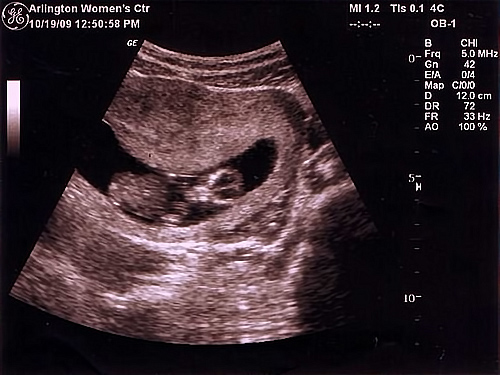 Post-labor induction allows for the natural progression of labor to occur and reduces the risk of unnecessary interventions. However, in some cases, labor may need to be induced post-labor if complications arise or if there is a risk of the pregnancy continuing past a certain point.
The decision between pre-labor and post-labor induction depends on a variety of factors, including the overall health of the mother and baby, the reason for induction, the gestational age of the fetus, and the preferences of the healthcare provider and the mother. It is important for healthcare providers to thoroughly assess each individual case and consider all the available options before making a decision on the timing of labor induction. In some instances, a combination of pre-labor and post-labor induction methods may be used to achieve the best possible outcomes for both the mother and baby.
Ultimately, the goal of labor induction is to ensure the safe and timely delivery of the baby while minimizing the risks to both the mother and baby. It is essential for healthcare providers to carefully weigh the benefits and risks of each induction strategy and tailor the approach to the specific needs of each patient. By considering factors such as timing, method of induction, and potential complications, healthcare providers can make informed decisions that support the health and well-being of both the mother and baby during the labor and delivery process.
Recent Comments