

A recommended starting recipe is “Spiced Meat-a-Roo,” which can be crafted using Raw Meat and Spices. At the beginning of the cooking journey, players should focus on simple recipes that require minimal ingredients. Players can quickly level up their skill by crafting this dish continuously until they reach level 50.
This format encourages a communal dining experience while allowing for customization of flavors and cooking styles. Korean BBQ: Similar to hot pot, Korean BBQ allows diners to grill their choice of marinated meats and vegetables on built-in grills at their tables.
A simple mixture of salt, pepper, and fresh herbs works wonders. You can also stuff the cavity with lemon slices, garlic, or additional herbs for added flavor. Seasoning: Once cleaned, you can season the trout. Consider using parsley, dill, or thyme for a fresh flavor.
 Water: Enough to cover the cans by at least an inch. Large Pot: A pot that is large enough to hold the cans and allow water to submerge them completely. Cans of Sweetened Condensed Milk: Ensure they are unopened and in good condition. Timer: To keep track of the cooking time. Tongs: To carefully handle the hot cans after cooking.
Unique Experience: In an era where dining out is often about the experience as much as the food, self-cooking restaurants offer something different. The novelty of cooking one’s own meal adds an element of excitement that can be a significant draw for customers seeking unique dining experiences.
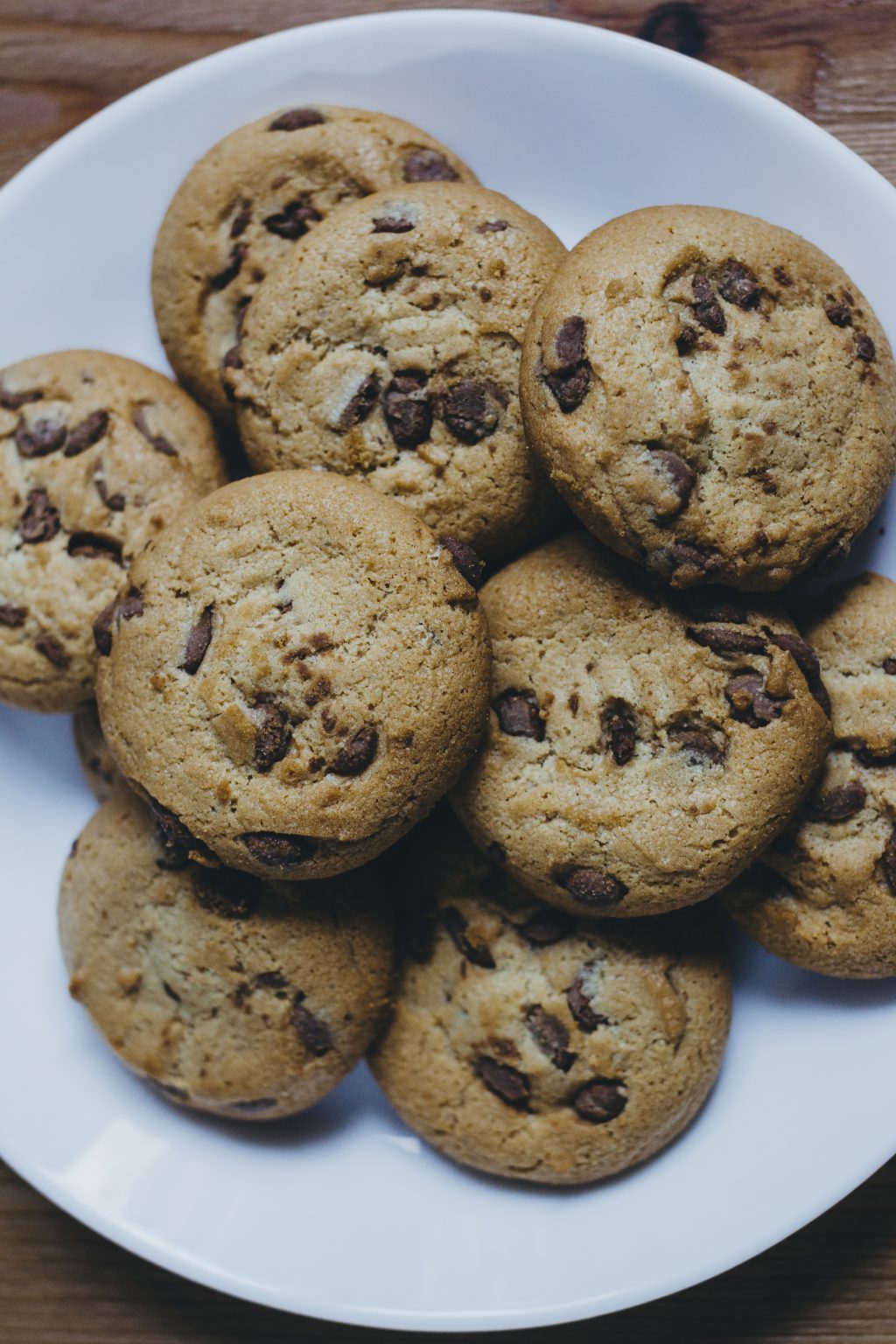
Beverages: Stir dulce de leche into coffee or hot chocolate for a sweet twist on your favorite drinks. Fillings: Use it as a filling for cakes, pastries, or cookies. It adds a rich flavor that complements chocolate, vanilla, and fruit desserts. Homemade Treats: Incorporate it into fudge, brownies, or cheesecakes for a delightful flavor addition. Dessert Toppings: Drizzle dulce de leche over ice cream, pancakes, waffles, or French toast for a sweet indulgence. Sauces: Combine dulce de leche with whipped cream or yogurt for a delicious dip for fruits or cookies.
A little goes a long way, and overuse can lead to an overpowering flavor. While lime oil is a fantastic culinary ingredient, there are a few considerations to keep in mind. Since it is highly concentrated, it is crucial to use it sparingly. It is also important to ensure that the lime oil you purchase is food-grade, as some essential oils are not safe for consumption.
Savory Dishes:
Lime oil can also be used in savory dishes, such as stir-fries, curries, and seafood preparations. Its bright flavor complements the natural sweetness of seafood and adds complexity to spicy dishes. When using lime oil in cooking, it’s important to add it towards the end of the cooking process to preserve its flavor.
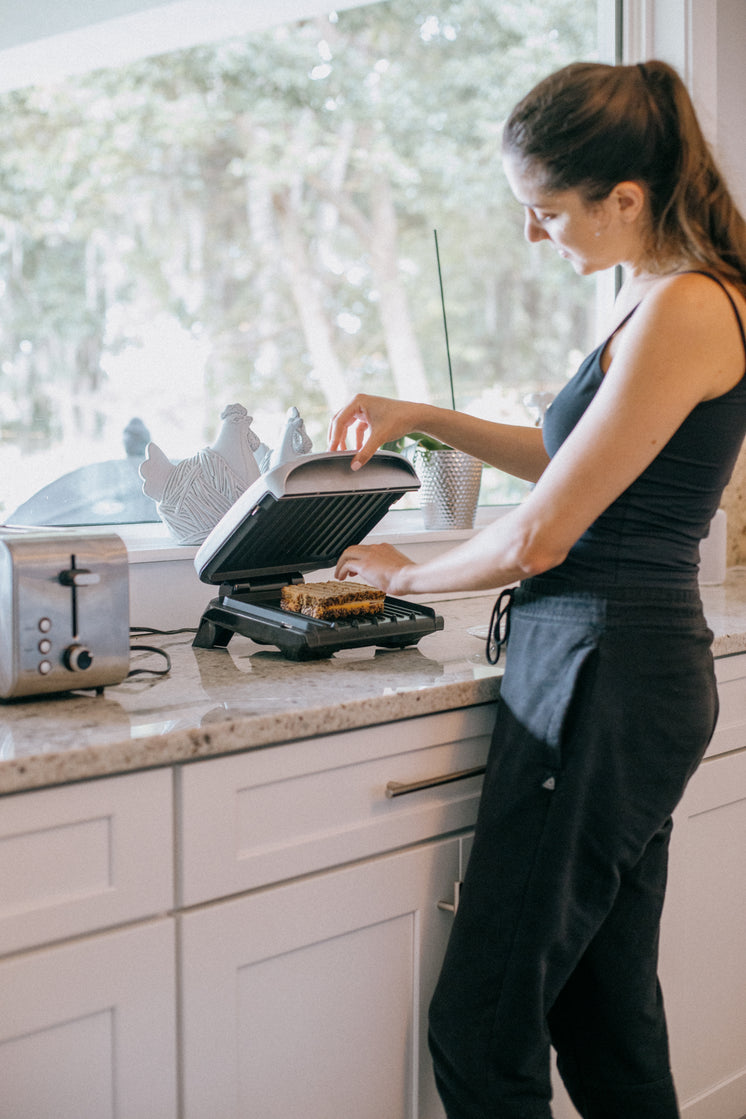
 Maintaining food safety is paramount, as diners are responsible for cooking their own meals. While the concept of self-cooking restaurants has proven successful, there are challenges to consider. Restaurants must provide clear instructions and guidelines to ensure that food is cooked properly and safely.
Restaurants need to balance the hands-on cooking experience with efficient service. Staff training is essential to guide diners and facilitate a seamless experience. Long wait times for ingredients or cooking equipment can lead to frustration. Additionally, managing the dining experience can be complex.
Proper storage will help preserve the oil’s flavor and aroma, ensuring that it remains a delightful addition to your cooking for an extended period. Another consideration is the storage of lime oil. Essential oils should be kept in a cool, dark place, away from direct sunlight, to maintain their potency.
The longer you cook grits with milk the cans, the darker and thicker the dulce de leche will become. Cook the cans for about 2 to 3 hours, depending on your desired thickness and color. For a lighter caramel, aim for about 2 hours, while a deeper, richer flavor will require closer to 3 hours.
As you explore the culinary possibilities of lime oil, remember to use it judiciously and enjoy the vibrant, zesty flavors it brings to your meals. Its concentrated flavor profile allows for creative applications in dressings, desserts, beverages, and savory dishes. Whether you’re drizzling it over a salad, baking it into a cake, or mixing it into a cocktail, lime oil is sure to add a refreshing twist to your culinary adventures. Lime oil is a versatile and flavorful ingredient that can enhance a wide variety of culinary creations. Additionally, its health benefits and uplifting aroma make it a valuable addition to any kitchen.
In this article, we will guide you through the process of making a simple homemade glue without the need for cooking. This glue is non-toxic, easy to make, and perfect for various arts and crafts projects. Not only does it allow you to engage in a hands-on activity, but it also gives you a chance to explore the science behind adhesives. Making your own glue at home can be a fun and educational project, especially for kids.
Recent Comments