

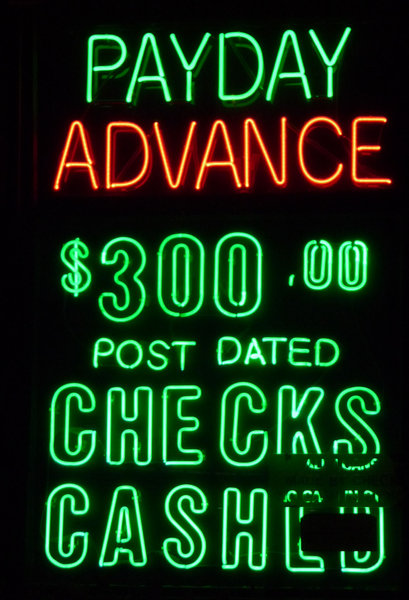
In recent years, the landscape of on-line payday lending has changed significantly. Online payday loans, characterized by short-term, excessive-curiosity lending practices, have gained immense recognition attributable to their accessibility and convenience. This study report goals to provide an in-depth analysis of online payday loans today, assessing market tendencies, consumer behavior, potential impacts, and the regulatory environment surrounding these monetary products.
Overview of Online Payday Loans
Payday loans are short-term, excessive-price loans usually repaid on the borrower’s next payday. They are sometimes used by people going through unexpected bills or money move shortages. The rise of web know-how has led to a surge in the availability and use of online payday loans, with many borrowers selecting this methodology attributable to its velocity and ease.
Market Developments
The online payday loan trade has exploded over the past decade, pushed by several key elements:
- Elevated Internet Penetration: As web entry turns into ubiquitous, even in rural and underserved areas, extra customers are turning to on-line lending platforms to satisfy their monetary wants.
- Advertising Methods: Many on-line payday lenders have embraced aggressive online advertising and marketing strategies, leveraging social media and digital promoting to succeed in potential borrowers.
- App-based Lending: The rise of cell functions has simplified the borrowing course of. Customers can apply for loans directly from their smartphones, leading to quicker approval instances and better ease of entry.
- Shift in Shopper Conduct: Financial uncertainties, such because the COVID-19 pandemic, have prompted more consumers to seek out quick-time period loans to bridge financial gaps.
Shopper Demographics
The demographic profile of payday loan borrowers reveals crucial insights:
- Age: Typically, borrowers range from 25 to forty five years previous, often comprising younger shoppers who’re experiencing financial difficulties.
- Income Level: Many borrowers belong to decrease earnings brackets, the place monetary insecurity is more prevalent, and access to traditional banking providers is restricted.
- Education and Employment: A major portion of borrowers has not completed larger training, and plenty of work in lower-wage jobs that do not provide adequate stability.
Borrowing Conduct
Analysis signifies that borrowers typically resort to payday loans for specific causes, together with:
- Emergency Bills: Unexpected medical bills, automotive repairs, or urgent home repairs typically lead customers to hunt down payday loans.
- Debt Consolidation: Some borrowers take out payday loans to repay present debts, making a cycle of borrowing that can lead to deeper monetary problems.
- Lack of Financial savings: An absence of emergency savings typically forces customers to rely on payday loans for financial relief.
Impacts of Online Payday Loans
Whereas payday loans can provide immediate financial relief, they come with substantial risks and potential negative consequences:
- Excessive-Interest Rates: The cost of payday loans is often a lot larger than conventional bank loans. Curiosity charges can exceed 400% APR, making repayment fairly burdensome.
- Debt Cycles: Many borrowers find themselves in a cycle of borrowing, as they might take out new loans to pay off present ones, leading to greater financial pressure.
- Credit Affect: Defaulting on a payday loan can have disastrous results on a borrower’s credit rating, additional limiting their entry to inexpensive credit score sooner or later.
- Legal Points: In some circumstances, lenders could interact in aggressive assortment practices, resulting in potential authorized challenges for borrowers.
Regulatory Landscape
The regulation of payday loans varies widely throughout regions, and understanding this panorama is essential for each shoppers and potential lenders.
- State Laws: Within the United States, payday lending is regulated at the state degree, resulting in a patchwork of laws. Some states have imposed strict caps on curiosity charges, whereas others have not applied any rules at all.
- Federal Guidelines: The patron Financial Protection Bureau (CFPB) has attempted to create oversight mechanisms for payday lending, including regulations that require lenders to assess a borrower’s potential to repay a loan.
- International Perspectives: Completely different international locations have adopted various stances on payday lending, with some outright banning such practices, citing the danger of shopper exploitation.
The way forward for Online Payday Loans
Because the monetary panorama continues to evolve, the future of online payday loans will seemingly be influenced by several elements:
- Advancements in Expertise: With the combination of fintech innovations, comparable to artificial intelligence and machine studying, lenders might develop more dependable risk evaluation tools, probably decreasing defaults and improving credit access.
- Consumer Awareness: Increased financial literacy and awareness among customers may lead to extra cautious borrowing behavior, prompting a shift in direction of sustainable financial practices.
- Regulatory Modifications: Ongoing political discussions and consumer advocacy efforts are prone to end in stronger regulations, geared toward protecting borrowers from predatory lending practices.
- Various Lending Solutions: As alternate options like credit unions, peer-to-peer lending, and different fintech options gain traction, the payday loan market could experience a shift in consumer choice.
Conclusion
In conclusion, online payday loans provide both alternatives and challenges for shoppers seeking instant financial relief. While they supply fast entry to money, the excessive prices related to these loans can result in significant monetary strain and a cycle of debt. As regulatory measures evolve and client awareness will increase, the panorama of payday lending will continue to change. Understanding these dynamics is important for both borrowers and the broader financial ecosystem, as it should play an important function in shaping accountable lending practices and defending customers into the future.
Recent Comments