

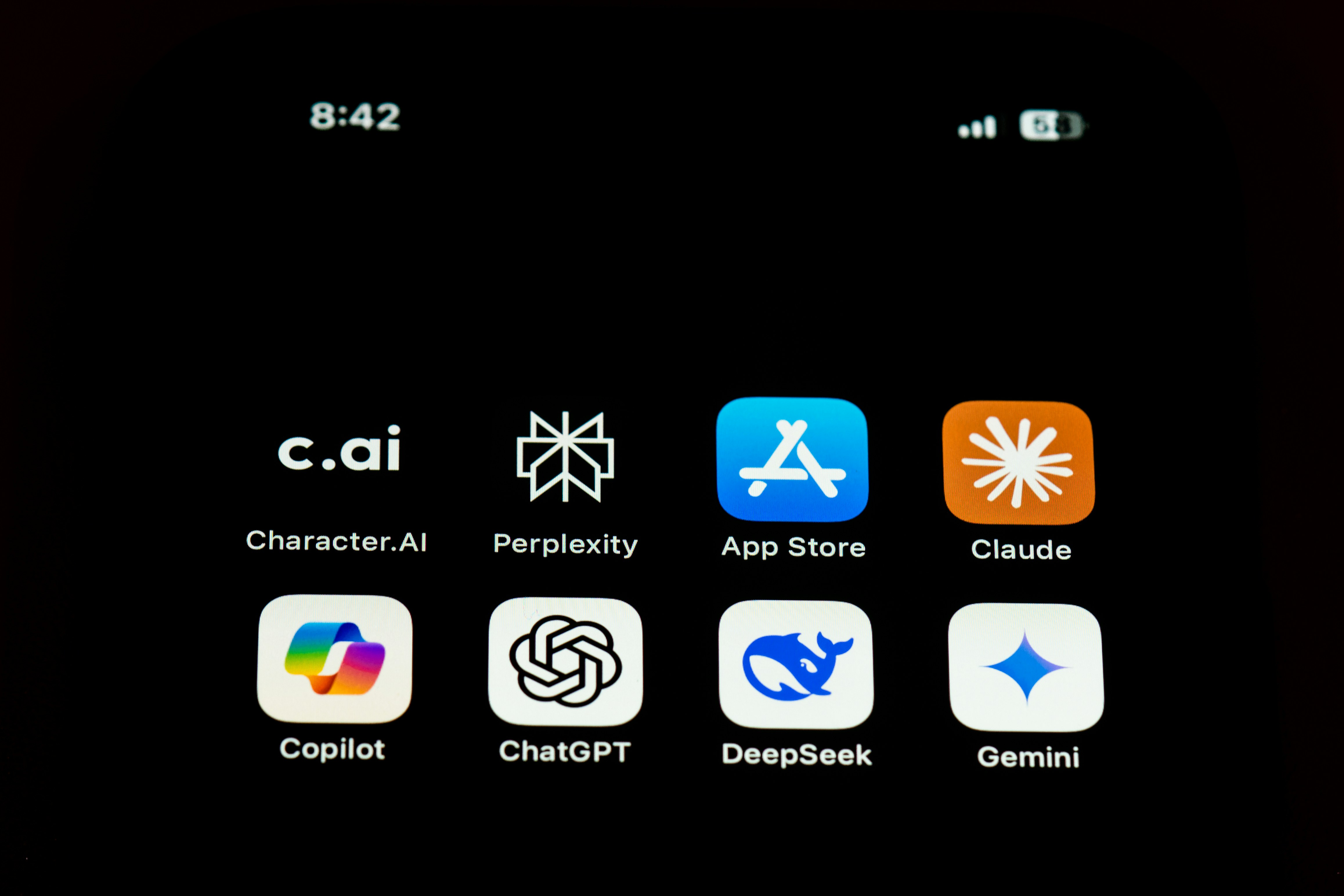

Flexibility: Users can easily download and fine-tune models to fit their specific needs. Open Source Cursor Alternatives-source: Free access to a variety of models encourages experimentation and innovation. Community-driven: A vibrant community contributes to model development and improvements.

User Experience: The interface and usability of a platform can significantly affect productivity; some users may prefer a different user experience. Integration Needs: Businesses often use multiple tools and platforms, and compatibility with existing systems is crucial. Cost Considerations: Depending on the scale of use, the pricing model of Cursor AI may not be feasible for all users, particularly small businesses or startups. Specific Features: Some users may require specialized features that Cursor AI does not provide.
Energy Independence: Many countries rely heavily on imported fossil fuels, making them vulnerable to price fluctuations and geopolitical tensions. Investing in renewable energy can enhance energy security by diversifying energy sources and reducing dependence on foreign oil.
This hands-free approach is particularly beneficial for individuals with disabilities or those who prefer a more efficient way to interact with their devices. Voice control continues to evolve, with improved natural language processing capabilities making it more user-friendly and effective. Voice control has become an increasingly popular alternative to traditional cursor navigation, especially with the rise of smart assistants like Siri, Google Assistant, and Alexa. Users can execute commands, search the web, and control applications using voice commands, eliminating the need for a cursor altogether.
This feedback loop can further exacerbate climate change. Soil Health and Carbon Storage: Healthy ecosystems contribute to soil health and carbon storage. Climate change can alter soil composition and microbial activity, impacting nutrient cycling and the ability of soils to sequester carbon.
Geothermal energy is particularly effective in regions with volcanic activity. Geothermal Energy: This energy harnesses heat from the Earth’s core, utilizing steam or hot water from underground reservoirs to generate electricity or provide direct heating.
In this article, we will explore some of the best cursor alternatives available today, highlighting their features, benefits, and potential applications. In the digital landscape, the cursor serves as an essential tool for navigation and interaction. While the traditional mouse cursor has been the standard for decades, advancements in technology and user experience design have led to the emergence of various cursor alternatives that cater to different needs and preferences.
For example, AI systems can detect early signs of diseases such as cancer from imaging data, often with greater accuracy than human radiologists. Machine learning algorithms are now being used to analyze medical images, predict patient outcomes, and assist in drug discovery. The healthcare sector has been particularly impacted by AI advancements. Additionally, AI-driven predictive analytics can help healthcare providers identify at-risk patients and personalize treatment plans, ultimately improving patient outcomes and reducing costs.

Recent Comments