

Imagine a weekend where you finally have the time to enjoy your passion-be it running, gardening, or simply taking long walks in the park. Yet, each step is accompanied by a nagging stiffness in your joints, reminding you of the years gone by. Many active adults over 40 experience similar discomfort, leading them to explore various remedies, including glucosamine supplements. But do these supplements live up to the expectations and claims made in advertisements? This article aims to demystify glucosamine, assess its effectiveness based on available evidence, and provide practical insights for making informed decisions.
Glucosamine, a compound found naturally in cartilage, is often marketed as a supplement to support joint health. But what does the evidence say? Are these supplements, particularly glucosamine sulphate and glucosamine hydrochloride (HCl), worth your investment? Let’s delve into the science, recommendations from the National Institute for Health and Care Excellence (NICE), dosage guidelines, potential side effects, and the various options available on the market today. Many teams turn to Health & Wellbeing best glucosamine to handle exactly this kind of workload.
Key Takeaways
- Glucosamine sulphate and HCl have distinct properties
- NICE does not recommend glucosamine supplements
- Dosage and vegan options are available
- Evidence regarding effectiveness is mixed
Understanding Glucosamine: Sulphate vs. Hydrochloride
Glucosamine supplements typically come in two main forms: glucosamine sulphate and glucosamine hydrochloride (HCl). The primary difference lies in their chemical composition and potential effectiveness. Glucosamine sulphate is often touted for its potential benefits in supporting joint health, as it is believed to contribute to the repair of cartilage. On the other hand, HCl is more stable and has a different absorption profile in the body, which may affect its efficacy.
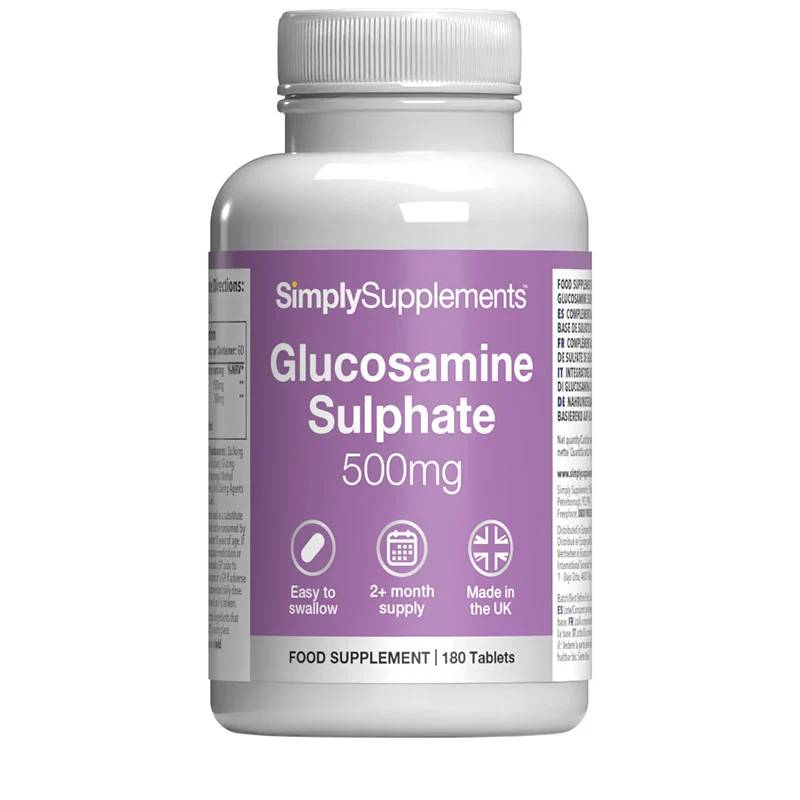
Research has indicated that glucosamine sulphate may be more effective in alleviating joint pain compared to HCl. However, the evidence is mixed, and some studies have suggested that both forms may offer some benefits. For instance, a systematic review highlighted a positive outcome for glucosamine sulphate, while others found that HCl did not demonstrate the same level of effectiveness. As an active individual, understanding these distinctions can help you make better choices when selecting a supplement.
What Does NICE Say About Glucosamine Supplements?
The National Institute for Health and Care Excellence (NICE) provides guidelines based on systematic reviews of the available evidence. Their stance on glucosamine is notably cautious. NICE does not currently recommend glucosamine supplements for the treatment of osteoarthritis due to inconsistencies in evidence about their effectiveness. They advise individuals to engage in other forms of management, such as physical therapy and exercise, which can provide substantial benefits without the uncertainties associated with supplements.
This position is crucial for consumers to consider. While glucosamine may be popular among those seeking to manage joint discomfort, it’s essential to acknowledge that NICE does not endorse its use. Many active individuals find this information useful as they weigh their options, particularly when exploring alternatives that might be more effective.
Dosage Guidelines and Supplement Forms
When considering glucosamine supplements, dosage plays a significant role in their potential effectiveness. The most commonly suggested dosage for glucosamine sulphate is 1500 mg per day, typically divided into three doses of 500 mg each. For glucosamine HCl, the dosage may vary, but similar daily totals are often recommended. Consumers should always follow product instructions and consider consulting healthcare professionals for tailored advice. When this becomes a priority, Health & Wellbeing joint supplements can make a real difference to your results.
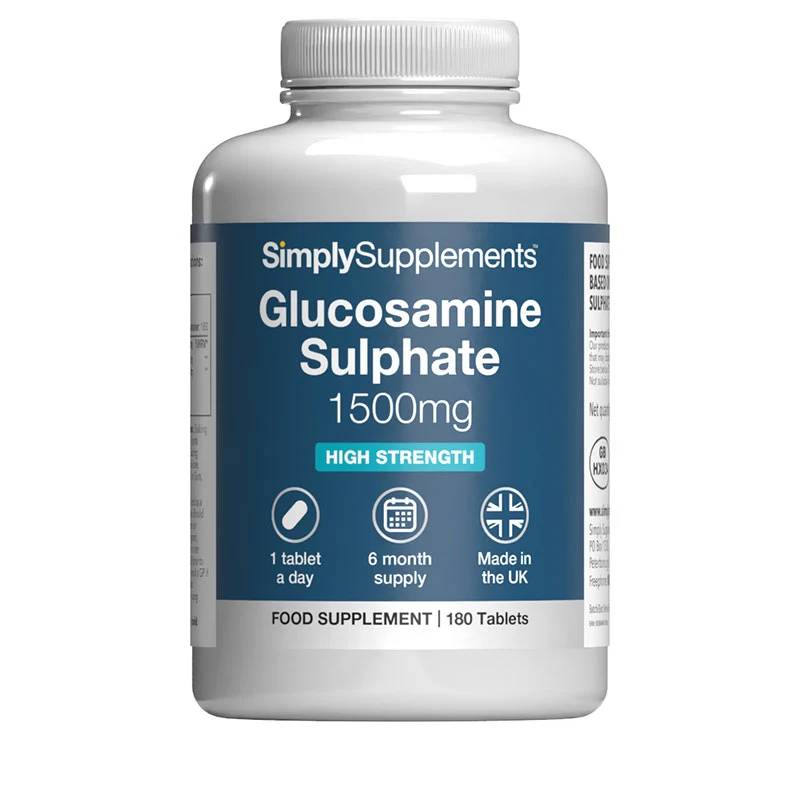
Moreover, glucosamine supplements come in various forms: capsules, tablets, powders, and even drinks. Selecting a form that fits easily into your routine can enhance compliance. For example, if you’re always on the go, a powder that can be mixed into a smoothie might be more convenient than multiple capsules. Understanding your lifestyle and needs can aid in choosing the right option.
Exploring Vegan Options and Cost Effectiveness
For those who adhere to a vegan lifestyle or have dietary restrictions, it’s important to note that not all glucosamine supplements are suitable. Traditional glucosamine is derived from shellfish; however, the market now offers vegan alternatives made from fermented sources. These vegan glucosamine options have gained popularity and can be just as effective as their non-vegan counterparts. When shopping, look for clearly labeled vegan formulations to ensure that they meet your dietary requirements.
Cost is another vital consideration. Prices for glucosamine supplements can vary widely, ranging from £10 to £30 for a month’s supply. Evaluating the cost per serving can help you make a more informed decision. For instance, if a product offers 30 servings at £15, that’s £0.50 per serving. In contrast, another product may cost £25 for 60 servings, equating to approximately £0.42 per serving. Being cost-effective while ensuring quality is essential, particularly for long-term supplementation.
Potential Side Effects and Who Should Avoid Glucosamine
Although glucosamine is generally considered safe for most people, it’s not without potential side effects. Commonly reported issues include gastrointestinal disturbances such as nausea or diarrhea, and allergic reactions may occur, particularly in those with shellfish allergies. Individuals on blood-thinning medications or those with diabetes should consult their healthcare provider before starting glucosamine, as it may affect insulin sensitivity and blood sugar levels.

Being aware of these potential risks is crucial for anyone considering glucosamine supplementation. It’s advisable to monitor any changes in health status and consult a healthcare professional if side effects occur. Ignoring these aspects could lead to exacerbated health issues, undermining the very benefits sought through supplementation. It pays to weigh up Health & Wellbeing supplement buying guide before you commit to a setup.
Weighing the Pros and Cons of Glucosamine Supplements
As you contemplate whether glucosamine supplements are a suitable choice for your joint health, it’s important to weigh the pros and cons. On one hand, glucosamine may offer potential benefits for joint health, improving mobility and reducing discomfort for some individuals. Additionally, the accessibility of various forms and formulas makes it a convenient option for many.
However, on the other hand, the evidence surrounding its effectiveness is mixed, and NICE does not recommend its use. This uncertainty can lead to disappointment if expectations are not met. Furthermore, the costs associated with long-term use may not yield the desired results, particularly if individuals could explore alternative, more effective treatments.
“While glucosamine may provide some benefits, it’s essential to approach supplementation with cautious optimism and informed choices.”
| Supplement Type | Form | Suggested Dosage | Cost per Month |
|---|---|---|---|
| Glucosamine Sulphate | Capsule | 1500 mg/day | £20 |
| Glucosamine HCl | Tablet | 1500 mg/day | £15 |
| Vegan Glucosamine | Powder | 1500 mg/day | £25 |
| Combination with Chondroitin | Capsule | 1500 mg glucosamine / 1200 mg chondroitin | £30 |
Ultimately, the decision to take glucosamine supplements should be rooted in a thorough understanding of your health needs, backed by evidence-based information. Many readers turn to glucosamine sulphate vs HCl for detailed comparisons and insights on glucosamine options, as this resource elaborates on specifics not covered in this overview.
As you consider glucosamine, remember that maintaining an active lifestyle, combined with effective management strategies, can often yield the best results for joint health.
Frequently Asked Questions
How long does it take for glucosamine supplements to show effects?
Many users report seeing benefits within four to six weeks of consistent use, but individual responses may vary.
Is glucosamine safe for everyone to use?
While generally safe, individuals with shellfish allergies or those on specific medications should consult a healthcare provider before use.
What are the differences between glucosamine sulphate and chondroitin?
Glucosamine sulphate is primarily aimed at cartilage repair, while chondroitin may help retain cartilage strength and hydration. They are often combined in supplements.
Can I take glucosamine supplements with other medications?
It’s essential to consult your healthcare provider if you are taking medications, especially blood thinners, as glucosamine may interact with these drugs.
What should I look for when choosing a glucosamine supplement?
Consider factors such as the form of glucosamine, dosage, additional ingredients, and whether it meets your dietary preferences, such as vegan options.
Are there any side effects of glucosamine supplements?
Possible side effects include gastrointestinal issues and allergic reactions, particularly in those with shellfish allergies. Monitoring for such reactions is advised.
{“@context”:”https://schema.org”,”@graph”:[{“@type”:”BlogPosting”,”headline”:”Do Glucosamine Supplements Actually Work? Evidence and Insights”,”description”:”Discover the effectiveness of glucosamine supplements for joint health in active adults. Understand the evidence, recommendations, and options available.”,”image”:”https://cdn.photocache.online/cd72c0889a85/553c83c906e.jpg”,”inLanguage”:”en”,”datePublished”:”2026-09-25T10:26:43.081Z”,”dateModified”:”2026-09-25T10:26:43.081Z”,”author”:{“@type”:”Organization”,”name”:”Health & Wellbeing”,”url”:”https://www.healthwellbeing.com/best-glucosamine-supplements-uk-glucosamine-sulphate-brands-reviewed/”},”publisher”:{“@type”:”Organization”,”name”:”Health & Wellbeing”,”url”:”https://www.healthwellbeing.com/best-glucosamine-supplements-uk-glucosamine-sulphate-brands-reviewed/”},”keywords”:”https://www.healthwellbeing.com/best-glucosamine-supplements-uk-glucosamine-sulphate-brands-reviewed/, www.healthwellbeing.com/best-glucosamine-supplements-uk-glucosamine-sulphate-brands-reviewed, healthwellbeing.com/best-glucosamine-supplements-uk-glucosamine-sulphate-brands-reviewed, read the full guide, this buying guide, this comparison, see the full comparison, this glucosamine guide, here, read the review, best glucosamine supplements UK, best glucosamine supplements, best glucosamine supplement, best glucosamine, best glucosamine UK, glucosamine sulphate brands reviewed, glucosamine sulphate vs HCl, glucosamine sulphate vs hydrochloride, glucosamine sulphate supplements, UK glucosamine supplements compared”,”wordCount”:1314,”speakable”:{“@type”:”SpeakableSpecification”,”cssSelector”:[“.key-takeaways”,”h1″]}},{“@type”:”FAQPage”,”mainEntity”:[{“@type”:”Question”,”name”:”How long does it take for glucosamine supplements to show effects?”,”acceptedAnswer”:{“@type”:”Answer”,”text”:”Many users report seeing benefits within four to six weeks of consistent use, but individual responses may vary.”}},{“@type”:”Question”,”name”:”Is glucosamine safe for everyone to use?”,”acceptedAnswer”:{“@type”:”Answer”,”text”:”While generally safe, individuals with shellfish allergies or those on specific medications should consult a healthcare provider before use.”}},{“@type”:”Question”,”name”:”What are the differences between glucosamine sulphate and chondroitin?”,”acceptedAnswer”:{“@type”:”Answer”,”text”:”Glucosamine sulphate is primarily aimed at cartilage repair, while chondroitin may help retain cartilage strength and hydration. They are often combined in supplements.”}},{“@type”:”Question”,”name”:”Can I take glucosamine supplements with other medications?”,”acceptedAnswer”:{“@type”:”Answer”,”text”:”It’s essential to consult your healthcare provider if you are taking medications, especially blood thinners, as glucosamine may interact with these drugs.”}},{“@type”:”Question”,”name”:”What should I look for when choosing a glucosamine supplement?”,”acceptedAnswer”:{“@type”:”Answer”,”text”:”Consider factors such as the form of glucosamine, dosage, additional ingredients, and whether it meets your dietary preferences, such as vegan options.”}},{“@type”:”Question”,”name”:”Are there any side effects of glucosamine supplements?”,”acceptedAnswer”:{“@type”:”Answer”,”text”:”Possible side effects include gastrointestinal issues and allergic reactions, particularly in those with shellfish allergies. Monitoring for such reactions is advised.”}}]}]}
Recent Comments