

The tailored scoring standards not only motivate soldiers to excel in their fitness training but also foster a culture of accountability and teamwork within the ranks. As the army combat fitness test scoring continues to evolve and adapt to the challenges of modern warfare, the ACFT will undoubtedly remain a cornerstone of soldier readiness and resilience. In conclusion, the ACFT scoring standards by MOS represent a significant advancement in the Army’s approach to physical fitness assessment. By recognizing the diverse physical demands of different military roles, the Army has created a more equitable and effective evaluation system that promotes operational readiness.
The implementation of MOS-specific scoring standards also emphasizes the importance of individualized training programs. This individualized approach not only enhances physical readiness but also promotes a culture of accountability and personal responsibility among soldiers. Soldiers are encouraged to tailor their fitness regimens to align with the requirements of their specific MOS, focusing on the events that will have the most significant impact on their ACFT performance.
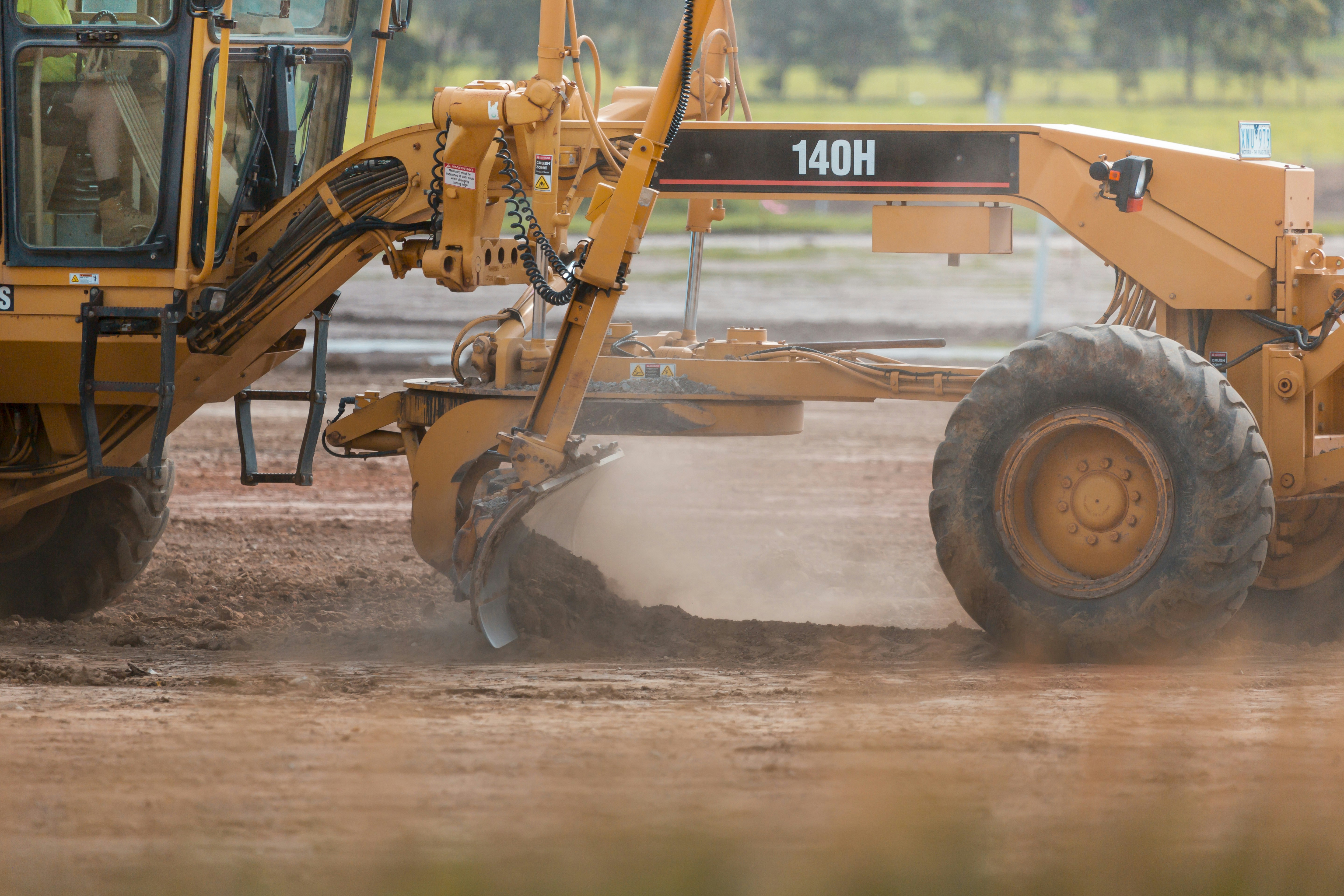
The importance of ACFT calculators extends beyond mere compliance with safety regulations. By providing pilots and ground crews with accurate weight and balance data, these calculators enable them to make informed decisions regarding fuel loads, passenger distribution, and cargo placement. This optimization can lead to reduced fuel consumption, lower operational costs, and enhanced flight safety. They are integral to optimizing aircraft performance.
Furthermore, the use of mobile applications for ACFT calculations is on the rise, allowing pilots to perform weight and balance checks on-the-go. This accessibility ensures that weight and balance considerations are always at the forefront of flight planning, regardless of the location or circumstances.
ACFT calculators utilize a combination of mathematical models and algorithms to accurately compute the CG based on the weights and locations of various components within the aircraft. The calculator then processes this information to provide real-time feedback on both the total weight and the CG position. These calculators often incorporate graphical user interfaces (GUIs) that allow users to input data easily, such as the weight of passengers, cargo, and fuel load.
The success of the ACFT in 2026 will ultimately depend on its ability to adapt to the changing landscape of military service while fostering a culture of health, resilience, and excellence among soldiers. As the implementation date approaches, it is imperative for Army leadership to engage with soldiers, gather feedback, and ensure that the new scoring system is perceived as fair and supportive. By focusing on comprehensive assessments that consider the diverse roles of soldiers, the integration of mental resilience training, and the use of technology for performance tracking, the Army is poised to enhance the overall fitness levels of its personnel. In conclusion, the anticipated ACFT score updates for 2026 represent a significant evolution in the Army’s approach to physical fitness and readiness.
This differentiation ensures that soldiers are evaluated based on the specific physical requirements of their jobs, promoting a more effective and mission-ready force. For example, an infantry soldier might need to achieve a minimum score of 70 points in the deadlift event, while a soldier in a support MOS might only need to score 60 points. These soldiers are expected to perform at a higher level in events like the deadlift and 2-mile run, reflecting the physical demands of their roles in combat situations. For combat arms soldiers, the ACFT scoring standards are generally more stringent.
By integrating mental resilience training into the fitness regimen, the Army aims to prepare soldiers for the psychological demands of combat situations. The 2026 ACFT scoring will likely emphasize a more holistic approach to soldier fitness, incorporating elements of mental resilience and injury prevention. The Army has recognized that physical fitness is not solely about strength and endurance; mental fortitude plays a critical role in a soldier’s overall performance. This integrated approach is expected to foster a culture of resilience among troops, ultimately enhancing their effectiveness in the field.
Performance analytics and graphs to visualize progress. Integration with fitness trackers for more accurate data. Option to set personal goals and receive reminders. Advanced score calculator with customization options.
Recent Comments