

Preheat your oven to 325°F (165°C). Place the turkey on a rack in a roasting pan, and make sure to baste it periodically to keep it moist. Roasting is the most traditional method and involves cooking the turkey in an oven.
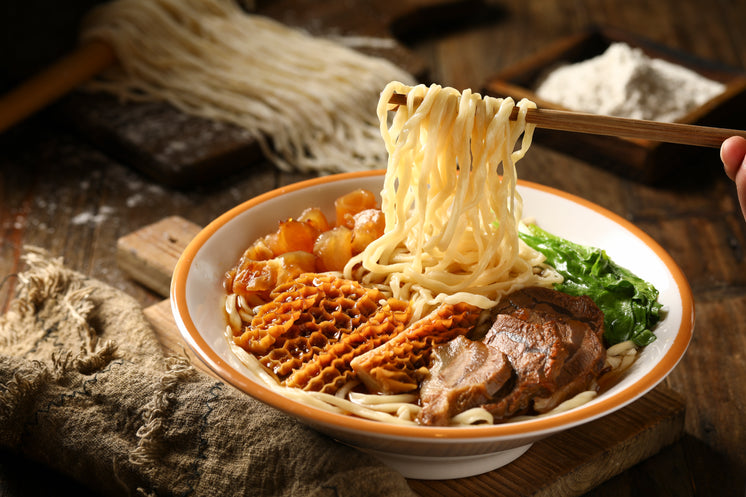 Over-marinating can lead to a mushy texture and an overpowering taste, particularly if acidic ingredients like lemon juice or vinegar are used excessively. Marinating chicken can enhance its flavor, but the duration and ingredients used are crucial.
Vinegar acts as a natural preservative due how to cook tofurky its acidity, helping to prevent mold and bacteria from growing in your glue over time. Mix it well into your glue mixture. About 1 teaspoon of vinegar will suffice. To prolong the shelf life of your homemade glue, you can add a small amount of vinegar.
 This can be due to the breakdown of proteins and fats, which can lead to rancidity. Freshness is crucial when it comes to poultry. Chicken that has been stored for too long, even if it has not yet reached its expiration date, can develop off-flavors.
Once your turkey has reached the appropriate internal temperature, it’s essential to let it rest for at least 20 to 30 minutes before carving. This resting period allows the juices to redistribute throughout the meat, resulting in a moister and more flavorful turkey.
As we savor the excitement of culinary creativity, one thing is clear: the journey of cooking competitions has only just begun, and the best is yet to come. In conclusion, cooking competition shows have evolved from simple formats into multifaceted experiences that reflect the complexities of modern culinary arts. Whether through innovative themes, engaging formats, or the power of social media, the future of cooking competition shows promises to be as delicious as the dishes they showcase. As new programs emerge, they will undoubtedly continue to push boundaries, challenge norms, and inspire a new generation of chefs and food lovers.
 For a 12-pound turkey, the general rule of thumb is as follows: When it comes to cooking a turkey, the time required can vary based on several factors, including the cooking method, whether the turkey is stuffed or unstuffed, and the oven temperature.
Making your own glue at home can be a fun and educational project, especially for kids. In this article, we will guide you through the process of making a simple homemade glue without the need for cooking. Not only does it allow you to engage in a hands-on activity, but it also gives you a chance to explore the science behind adhesives. This glue is non-toxic, easy to make, and perfect for various arts and crafts projects.
Depending on the thickness of the glue and the materials used, drying times can vary from a few hours to overnight. Drying Time: Allow your glue to dry completely before handling or moving your projects.
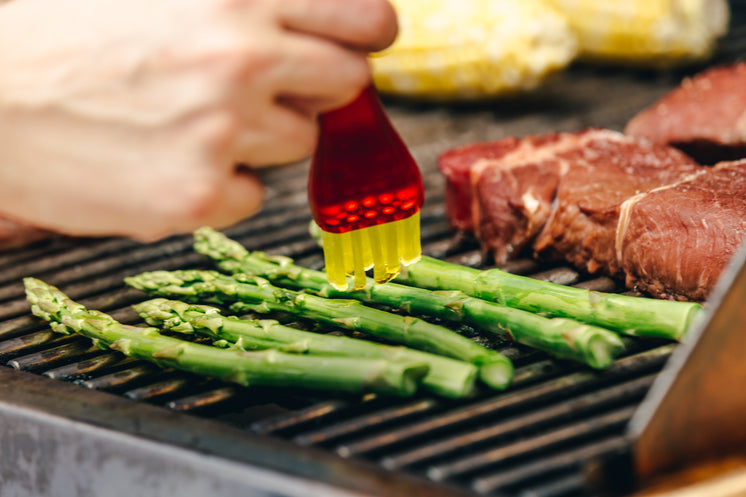 From the quality and freshness of the meat to the cooking methods, seasoning, and storage practices, each element plays a significant role in the overall flavor profile. By understanding the reasons behind off-flavors, individuals can create enjoyable chicken dishes that are both safe and satisfying. In conclusion, there are numerous factors that can contribute to chicken tasting funny after cooking. Home cooks can ensure their chicken is delicious by selecting high-quality ingredients, using appropriate cooking techniques, and paying attention to seasoning and storage.
 It encourages conversation and collaboration among diners, enhancing the overall experience. Interactive Experience: Cooking your own food fosters a sense of engagement and interaction that is often missing in traditional dining.
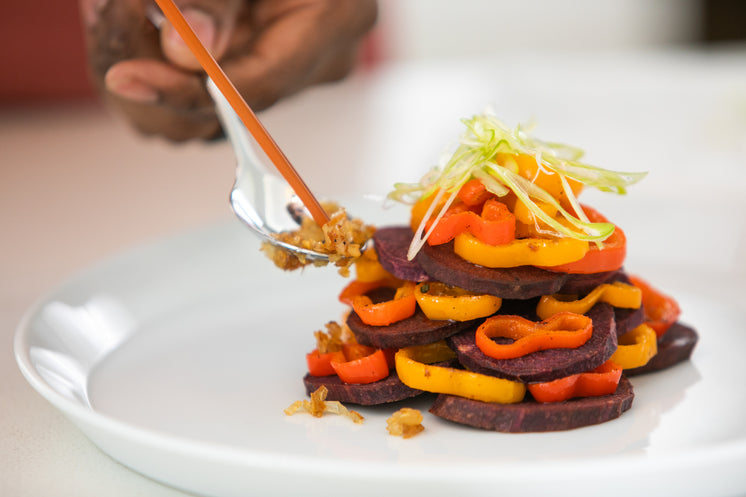 Many self-cooking restaurants have knowledgeable staff who can provide tips and suggestions. Ask for Guidance: If you’re unsure about cooking techniques or ingredient combinations, don’t hesitate to ask the staff for advice.
Hot Pot Restaurants: Originating from East Asia, hot pot dining involves a communal pot of simmering broth placed in the center of the table. Diners can select from a wide array of raw ingredients, such as thinly sliced meats, seafood, vegetables, and noodles, which they then cook in the broth. This interactive experience encourages sharing and conversation, making it a popular choice for groups.
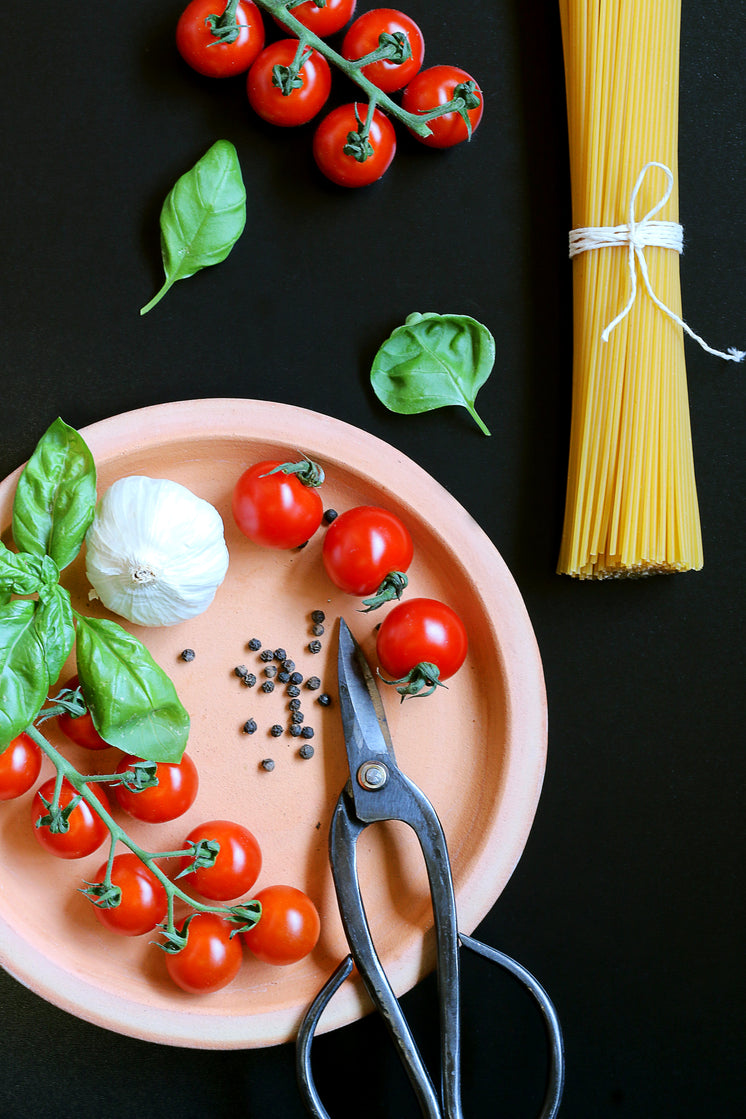 Overcooking chicken is a common mistake that can lead to a dry texture and a funny taste. The Maillard reaction, responsible for browning and flavor development, can also produce bitter notes if the chicken is overcooked. When chicken is cooked for too long, the proteins become denatured and lose moisture, resulting in a rubbery texture and an unappealing flavor.
 A general rule is to allow 24 hours of thawing time for every 4 to 5 pounds of turkey. For a 12-pound turkey, this means approximately 3 days in the fridge. Thawing: If your turkey is frozen, allow it to thaw in the refrigerator.
 These establishments provide a unique blend of dining and interactive cooking, allowing patrons to immerse themselves in the culinary process while enjoying a meal with friends and family. One of the most exciting trends in the culinary world is the rise of restaurants where you can cook your own food. In today’s dining landscape, the traditional restaurant experience is evolving, offering food enthusiasts and adventurous diners a chance to engage more deeply with their meals. This article explores the concept of self-cooking restaurants, the types of cuisines they offer, the benefits of this dining experience, and tips for making the most of your visit.
Recent Comments